

What is Karting?
Open-wheel racing at its most direct. A steel frame (the chassis), a small engine and a seat a few centimetres off the asphalt. It is where most professional drivers got their start, and there is a class for almost every age.

From first lap to first race.
New to karting? Here is the path from your first rental to your first race, one step at a time.
- Try itRent a kart at a public track first.
- Find your classYour age decides which class you race in.
- Find a clubVisit a club track near you on race day.
- Get your kartA rolling chassis, plus your class engine.
- Gear upHelmet, suit, gloves, boots and protection.
- Get your licenceJoin a club and get your ASN licence.
Know your kart.
A kart is a steel frame, a seat, four tires and an engine (not shown here). Your class decides the parts that matter most.

- Tires
- Small, wide and grippy
- Seat
- Fitted to the driver
- Rear axle
- Drives and brakes
- Bodywork
- Nose and side pods
- Chassis
- Steel frame, no suspension
Your class decides
The engine
Each class names the engines you can run, so the racing stays close.
The chassis size
Young drivers start on a smaller frame. Juniors and Seniors race full size.
The tires
Each class names one tire, with slicks for the dry and treaded tires for rain.
So pick your class first. It tells you which kart and engine you need.
AurumX makes karting simple.
Every kart comes as a rolling chassis: the whole kart, minus the engine. Your class decides the engine, so you add the one that suits where you race.


One clear price
Every kart has one listed price, and it’s the same wherever you race in Canada. No haggling, no guessing what it really costs.
Every part online
Order spares any time at karteparts.ca.
Parts that fit
Made for your Gold Kart chassis. No guesswork.
Four ways to race.
Start on a kart the track supplies. Move up to your own kart when you are hooked.
- Book a session
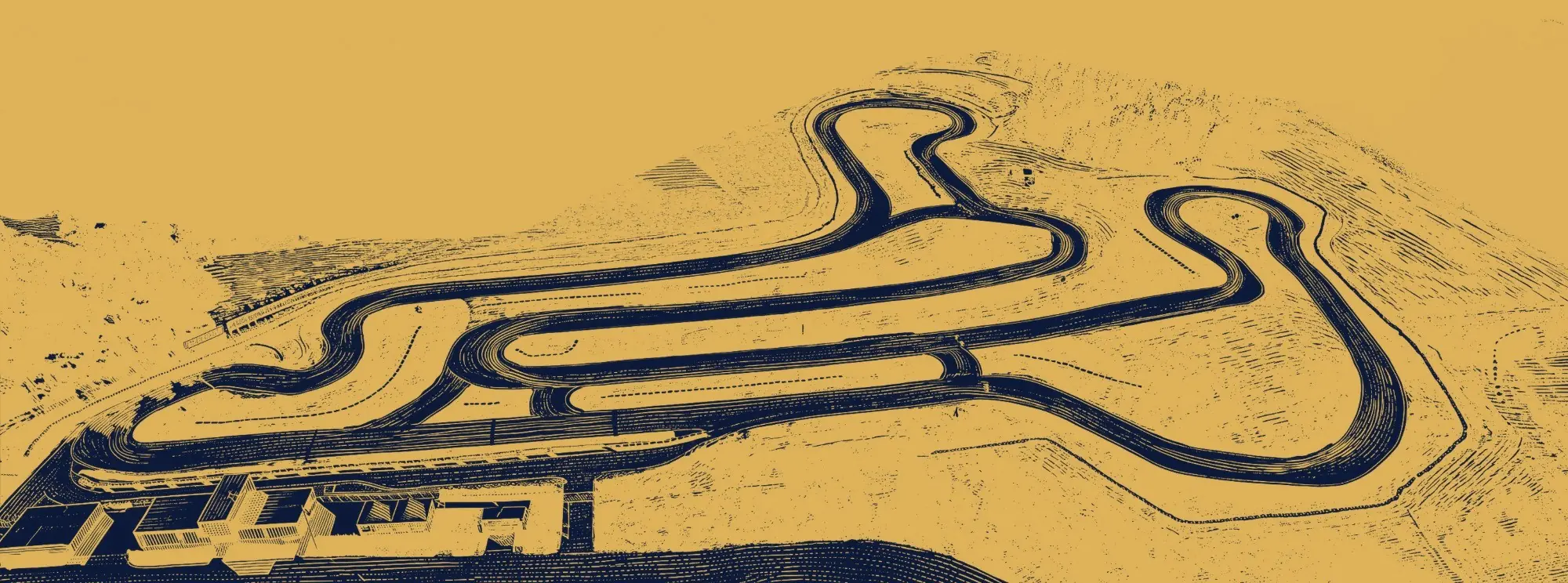
Public karting
Drive the track’s own karts. No kart of your own needed.
- Track kart
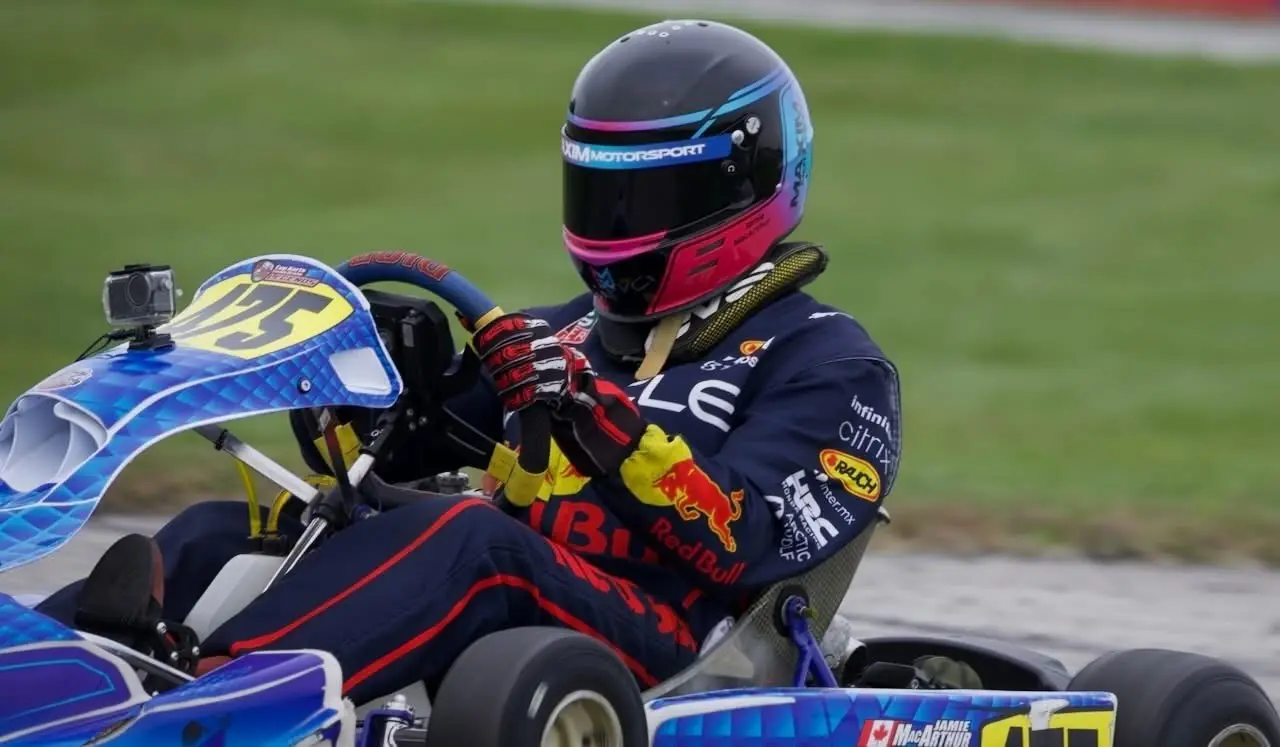
Arrive and drive
A full race season on karts the track prepares for you.
- Your own kart
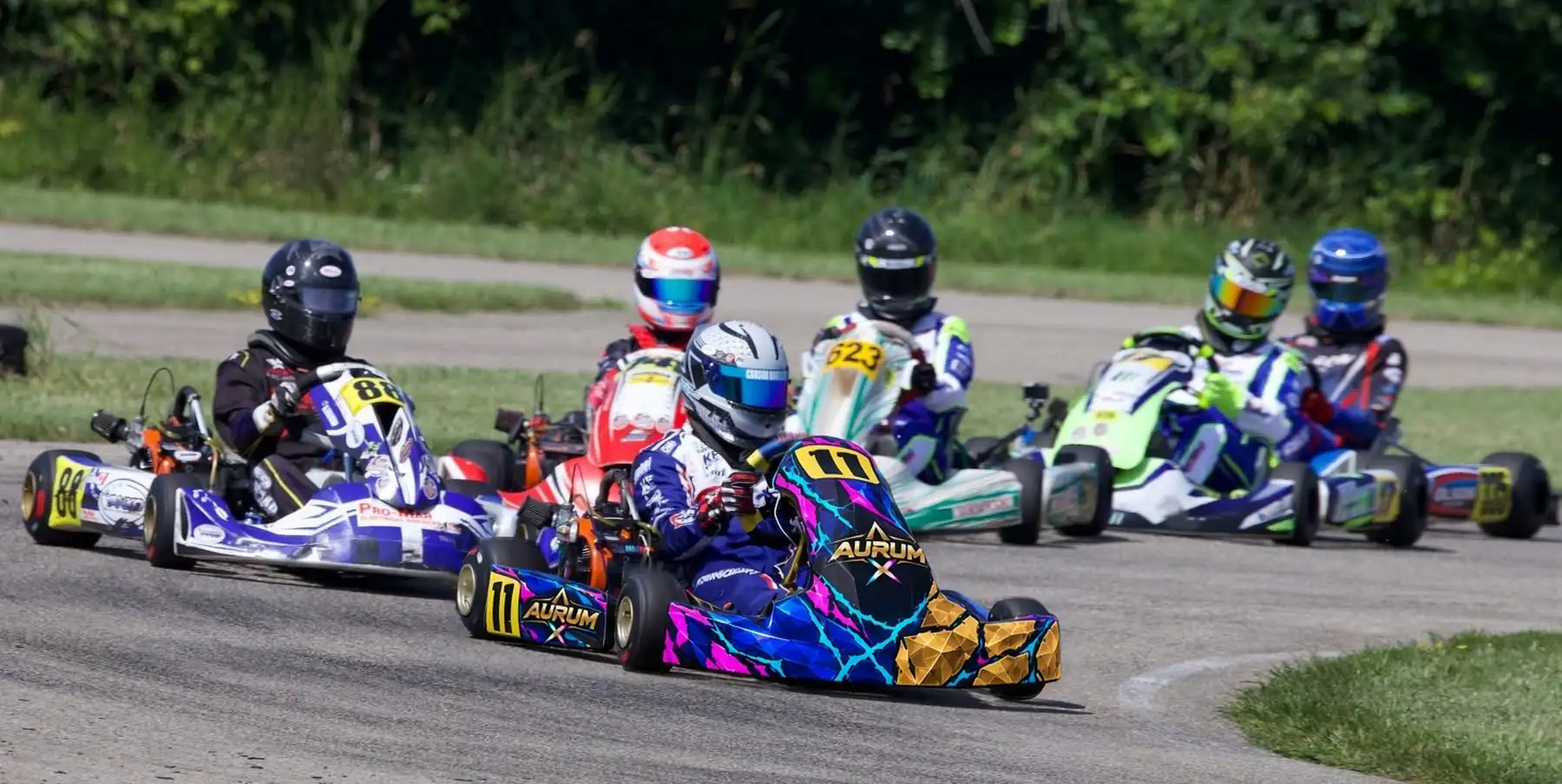
Club racing
Race your own kart for a season title at your home club.
- Travel to race
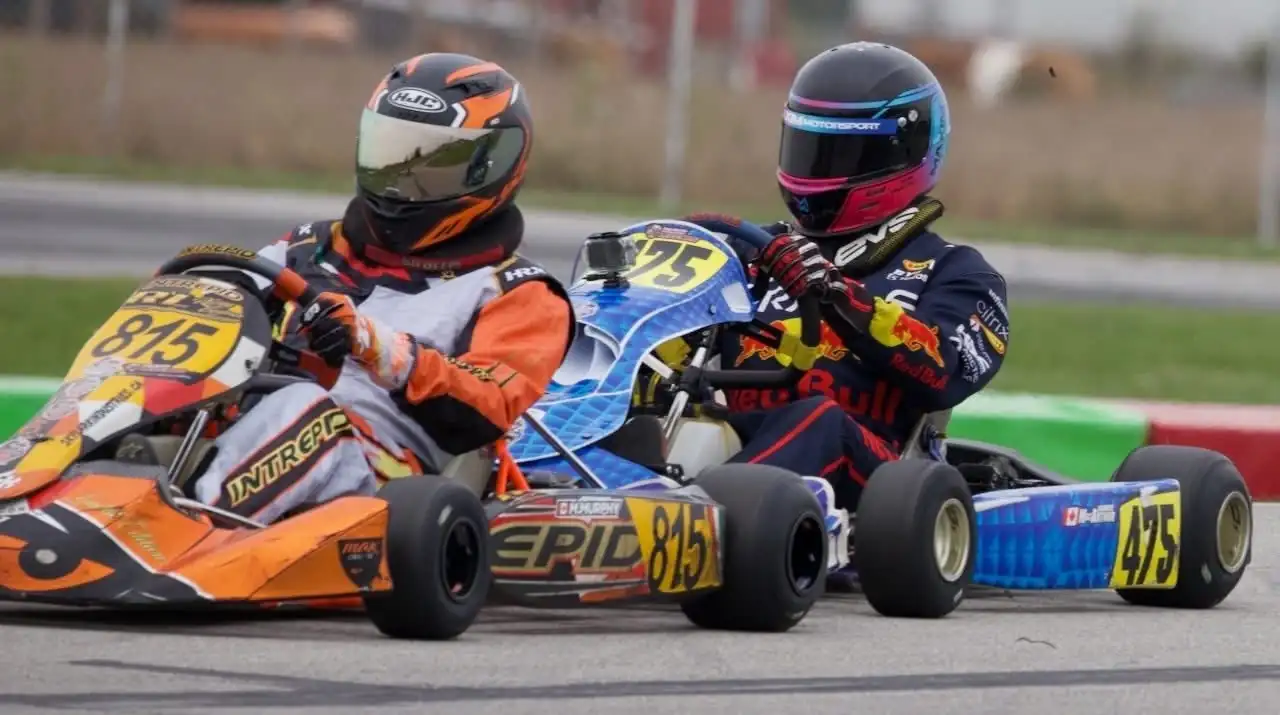
Regional and national
Take on drivers from across the province and the country.


Who sets the rules.
Every official race in Canada follows one national rulebook. Your club adds its own details on top, so the basics stay the same wherever you race.

Canada’s national motorsport authority, recognized by the FIA. It writes the rulebook for safety gear, ages and karts, and issues racing licences.
Your club or series
Picks the classes, sets each class’s minimum weight and runs the season. In Ontario: TRAK, MIKA and HRKC.


Race day
Race days usually start with a drivers’ meeting: the schedule, the flags and any track rules.

Your racing licence.
Your licence is your permission to race in official events. It shows your age group and lets you reserve a kart number.
Get one
Apply when you join your club, with a form, a medical and a waiver.
Rookie races
For your first three events, run an X on your kart and start at the back.
Go national
After five club races, apply for a National licence.
Find your class.
Your age sets your class: the age you turn this year. Each step up brings a bigger kart and more speed.
Kid Kart
4–7years old
Club programs on a small, restricted kart.
ChassisGold Kart XXSCadet and Mini
8–13years old
The first national classes, on a short-wheelbase kart.
ChassisGold Kart MA21Junior
12–14years old
A full-size chassis and more power.
ChassisGold Kart GTR30Senior
15+years old
Full power, plus Masters classes for older drivers.
ChassisGold Kart GTR30
Weighed together.
After each session the kart is weighed with you in it, in full gear. Every class has a minimum. Under it? Bolt on lead weights, called ballast.
Learn moreasncanada.ca(opens in a new tab)Gear up.
Six pieces of kit keep you safe on track. Trying arrive and drive first? You can rent a helmet and suit.
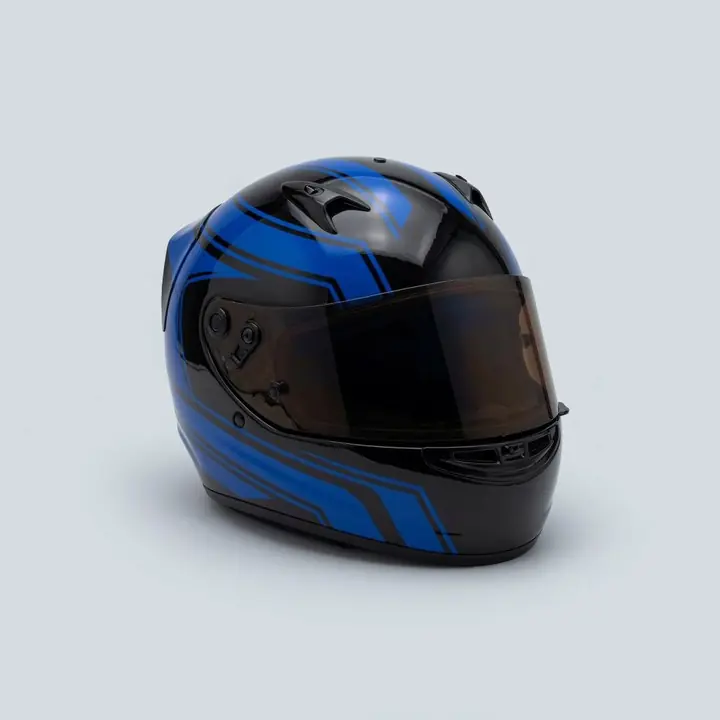
Helmet
Protects your head. It must be rated for karting by Snell or the FIA.
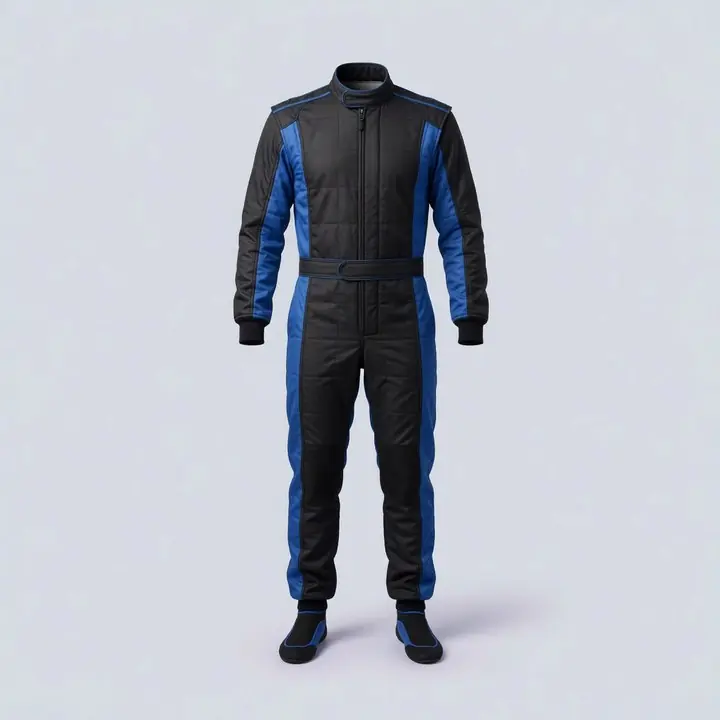
Suit
Tough fabric covering your arms and legs, in case you slide off.
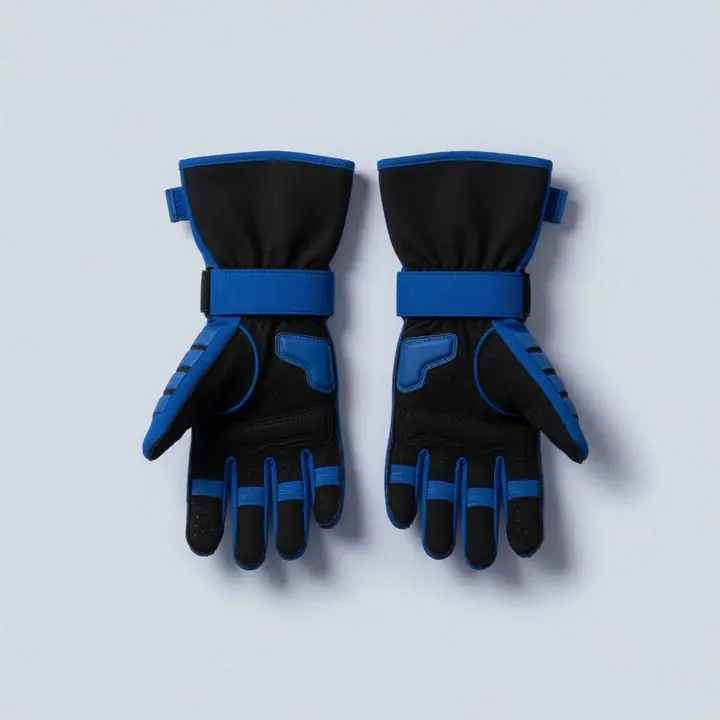
Gloves
Grip on the wheel, with cuffs that cover your wrists.
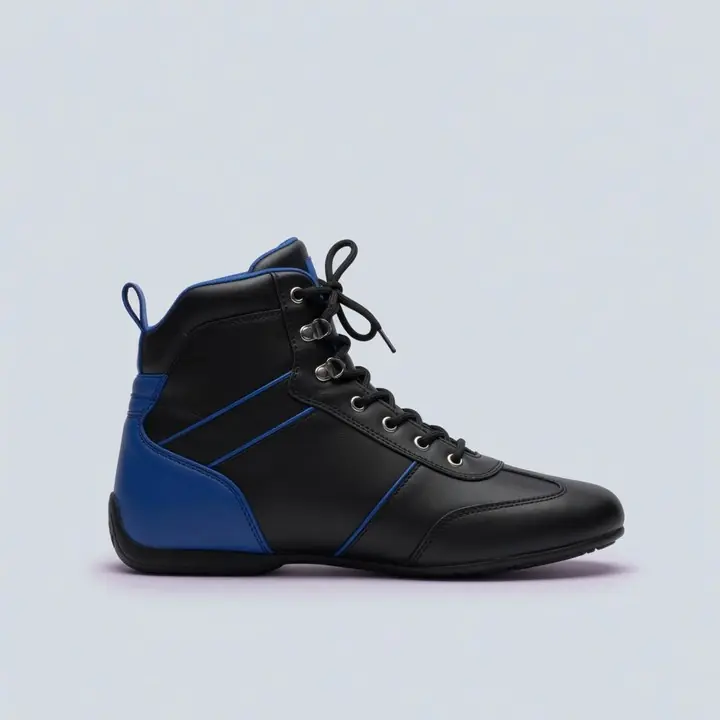
Boots
Thin soles let you feel the pedals, and they cover your ankles.
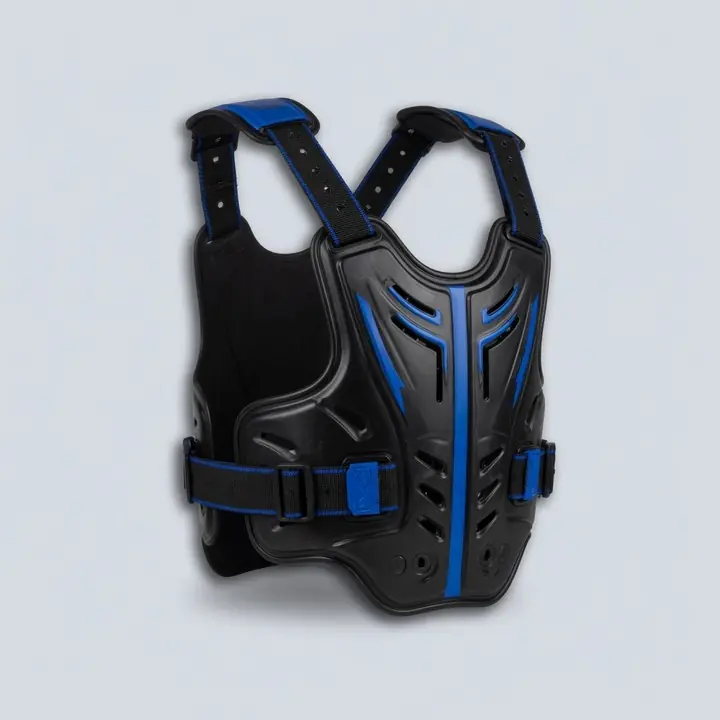
Rib protector
Worn under the suit. It cushions your ribs against the seat.
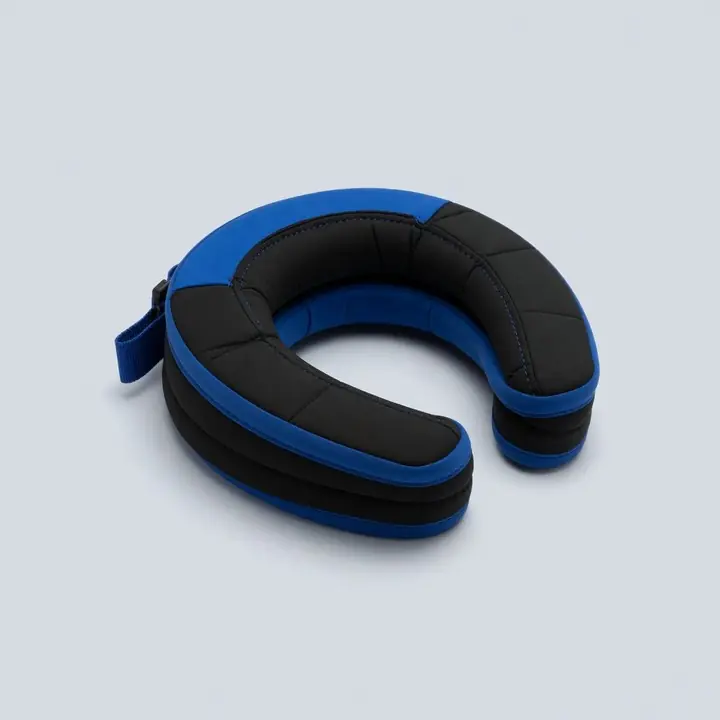
Neck collar
Supports your neck over bumps. Some tracks require one.


Find a track near you.
Pick your province to see the tracks near you, then choose a pin or search by name.
11 tracks in Ontario